Spiritual Psychology vs. Therapy: What Is the Difference?
Sep 11, 2026Have you ever sat across from a therapist, working through something real, and still felt like a piece of you was going untouched?
Spiritual Psychology and therapy both offer real, valuable healing, but they start from different premises. Therapy is trained to work with the mind: understanding thoughts, managing symptoms, processing history. Spiritual Psychology, the discipline I trained in at USM, treats every difficulty as spiritual curriculum and works to awaken the soul beneath it, not only stabilize the mind.
Why Does the Difference Between Spiritual Psychology and Therapy Matter?
This is one of the most common questions I hear, and it is a fair one. Spiritual Psychology and therapy can look similar from the outside. Both involve sitting with someone, speaking what is true, and working toward healing. But they are not the same discipline, and understanding the difference matters if you are trying to choose the right support for where you are right now.
What Does Traditional Therapy Focus On?
Traditional therapy, broadly speaking, is trained to work with the mind. It helps you understand your thoughts, manage your symptoms, process your history, and function more effectively in daily life. This work is real and it is valuable. Many of my clients are also working with a therapist, and I never ask anyone to choose one path over the other.
What Does Spiritual Psychology Focus On?
Spiritual Psychology, the discipline I trained in at the University of Santa Monica, starts from a different premise. It does not only ask what is wrong and how do we manage it. It asks who are you beneath what is wrong, and what is this experience here to teach you. Where therapy often works to stabilize and treat, Spiritual Psychology works to awaken. It treats every difficulty, every anxious thought, every broken relationship, as spiritual curriculum, material your soul chose to work with in this lifetime so that more of your authentic self could come forward.
Spiritual Psychology and Therapy Side by Side
| Traditional therapy | Spiritual Psychology coaching | |
|---|---|---|
| Main focus | The mind: thoughts, symptoms, history and daily functioning | The soul beneath the difficulty, and what it is here to teach you |
| The question it asks | What is wrong, and how do we treat it? | Who are you beneath what is wrong, and what is this here to reveal? |
| Goal | Stabilize, treat and help you function | Awaken, release the pattern and come home to yourself |
| Who offers it | Licensed clinicians | Trained coaches. Not a clinical or medical service |
| Best when | Something feels acute, unsafe or needs a diagnosis | You understand your pattern but still feel stuck in it |
| Can you do both? | Yes | Yes, many of my clients do |
How Is Spiritual Psychology Different From Traditional Psychology?
Traditional psychology, as it is taught and practiced in most clinical settings, tends to view the mind through the lens of behavior, cognition and diagnosis. It is oriented toward survival, symptom management and getting back to functioning. It asks what is happening, why it is happening, and how to manage or correct it. This approach has given us real, useful tools for understanding trauma responses, regulating the nervous system and building healthier habits of thought. I have deep respect for this work, and much of it complements what I do.
Spiritual Psychology starts from a different assumption. The word psychology comes from psyche, which originally meant not simply mind, but breath, the animating principle of life, the soul. Somewhere along the way, much of the field let go of that deeper meaning. Spiritual Psychology was built to bring it back. My training at the University of Santa Monica describes it as the study and practice of the art and science of conscious awakening. In other words, we are not simply minds to be corrected. We are souls having a human experience, here to fulfill our spiritual curriculum.
What Is the Difference Between the Goal Line and the Soul Line?
I sometimes describe the difference as the goal line and the soul line. The goal line is the external marker: the promotion, the relationship status, the version of your life that looks resolved from the outside. The soul line is what is actually true underneath it: the meaning, the alignment, the sense that your life belongs to you.
You can cross the goal line and still feel completely lost if you have never touched the soul line underneath it. Spiritual Psychology treats your history not as a case file, but as a curriculum, each hurt a lesson still waiting to be understood rather than just endured.
Why Can Spiritual Psychology Reach What Understanding Alone Cannot?
You can understand a pattern completely, in your mind, and still feel its grip. That gap between understanding and freedom is spiritual and energetic, not only cognitive. My training called Spiritual Psychology a technology, a practical way of turning the raw material of everyday life, the arguments, the disappointments, the ordinary days, into rungs on the ladder of your own awakening. This is where the deeper work happens: meeting the exiled parts of yourself that are still asking to be seen.
What Does a Spiritual Psychology Session Look Like in Practice?
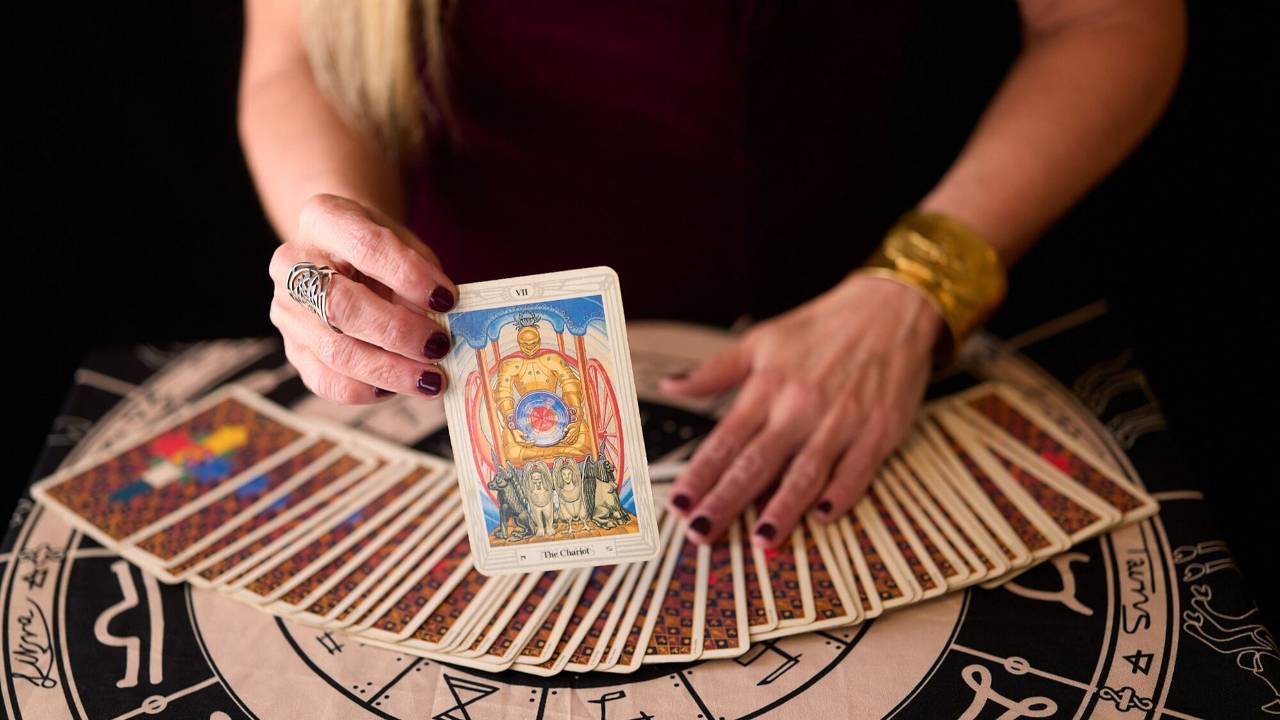
Practically, this shows up as a different kind of conversation. Instead of only asking what happened to you, we ask what this pattern is here to reveal. Instead of only managing a feeling, we get curious about what it is protecting and what it actually needs. I bring tools into this work that you will not typically find in a traditional therapy office, tarot as a tool for self-reflection rather than fortune-telling, and a daily prayer practice I call calling in the light. These are not substitutes for clinical care. They are ways of meeting your own soul directly, rather than only your symptoms.
Should I Choose Spiritual Psychology or Therapy?
Neither path is more correct than the other. Some people need the clinical structure and diagnostic language of therapy, especially when something feels acute or unsafe, and I will always encourage that support first. Others come to me, in my work as a spiritual life coach, because they have done years of therapy, understand their patterns intellectually, and are still waiting to feel free of them. That gap, between understanding a pattern and actually releasing it, is often exactly where Spiritual Psychology begins its work.
What Else Do People Ask About Spiritual Psychology and Therapy?
Can I work with a spiritual life coach and a therapist at the same time?
Yes. Many of my clients are also working with a therapist, and I never ask anyone to choose one path over the other.
Is Spiritual Psychology a substitute for clinical care?
No. If something feels acute or unsafe, clinical therapy is the right first support. Tools like tarot for self-reflection and prayer practice are ways of meeting your own soul directly, not substitutes for clinical care.
Who is Spiritual Psychology coaching a good fit for?
It is often a fit for people who have done years of therapy, understand their patterns intellectually, and are still waiting to feel free of them. That gap between understanding a pattern and releasing it is where Spiritual Psychology begins its work.
How is Spiritual Psychology different from traditional psychology?
Traditional psychology focuses on the mind: behavior, thoughts, symptoms and diagnosis. Spiritual Psychology, taught at the University of Santa Monica, returns to the original meaning of psyche, the soul, and treats each struggle as spiritual curriculum that points you back to your authentic self.
What does the word psychology originally mean?
Psychology comes from psyche, which originally meant breath, the animating principle of life, the soul. Spiritual Psychology was built to bring that deeper meaning back.
Are you a licensed therapist?
No. I am a Spiritual Life Coach and Spiritual Psychology Coach, not a licensed therapist, and coaching is not a clinical service. If you need diagnosis or treatment, a licensed clinician is the right support, and coaching can walk alongside it.
Do you work in Santa Rosa or online?
Both. I see clients in person in Santa Rosa and online by video, so you can do this work from anywhere.
If you have been doing the talking and the understanding, and you are ready to do the deeper releasing, this may be the missing piece. Book your free soul aligned call and let's discover what your own spiritual curriculum has been asking of you.
Not ready to book yet? Take my free 3-Minute Sacred Pattern Decoder Quiz and discover the pattern that keeps repeating in your life.
Searching for a spiritual therapist or spiritual counseling near you? Here is what a spiritual life coach offers instead.
Curious what this actually looks like in practice? Here is what a Spiritual Psychology coach does day to day.
Want to see what this looks like as an ongoing practice, not just a single conversation? Explore how Spiritual Psychology sessions and retreats go deeper over time.
Still weighing which kind of support you actually need? Here is how to decide between a coach and a therapist.
Wondering about the investment? Here is how much spiritual life coaching costs.
SUBSCRIBE FOR WEEKLY LIFE LESSONS
We hate SPAM. We will never sell your information, for any reason.